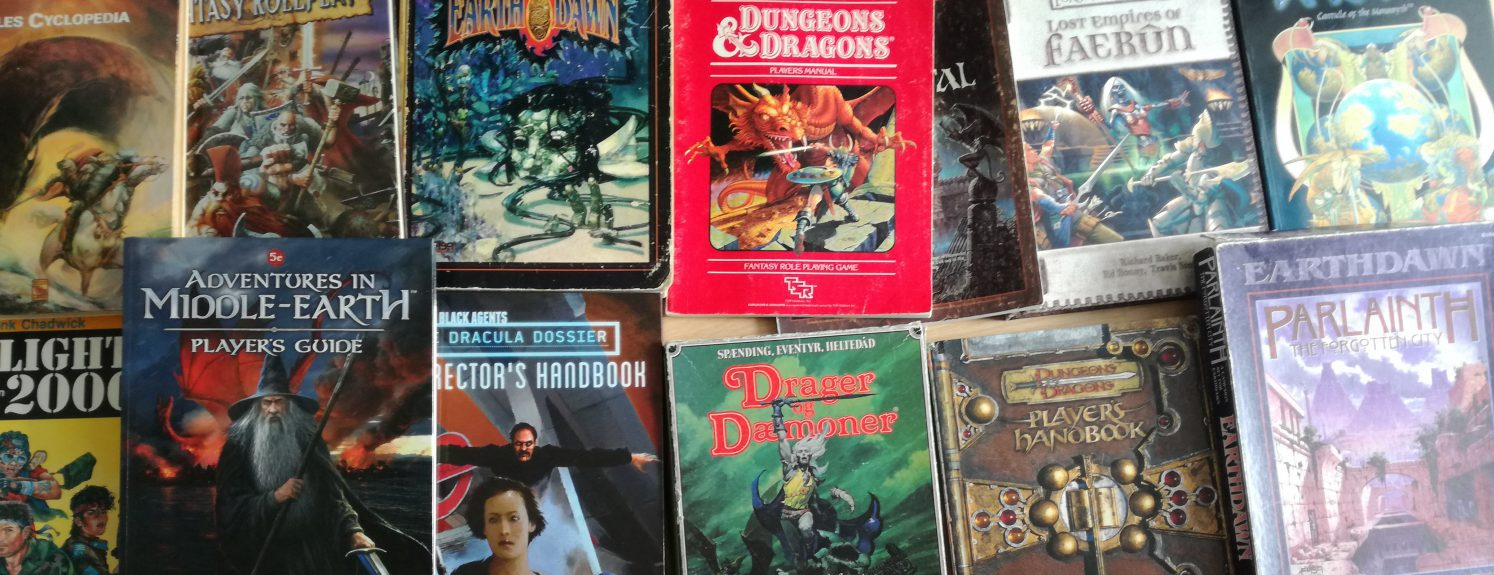

I intend to introduce a different experience model in my D&D campaign.
To support the exploration theme of the campaign and to encourage non-combat solutions and a varied approach to encounters, I will grant experience using a variation from the standard monster awards. Awards for exploring will be the main source of xp, while surviving significant encounters – not defeating enemies – will be the secondary source.
Exploration Awards:
It should be important for the group to go out and explore and discover the world around them. Finding strange new magic, travelling across unknown lands, recovering rare magical items, discovering new places, ancient ruins and cultures and delving into the history, myth and legends of the unknown continent is a significant part of learning and personal growth. Therefore these types of discoveries are awarded with experience according to the XP Threshold by Character Level (DMG pg. 82). The

significance of the discovery determines the difficulty and the character level is the average of the group. It will be a main source of experience for the characters.
The following types of discoveries results in experience awards. It is not a definitive list, but a guideline. It has the slight problem that finding the rarer magical items is easier in the later half of the campaign, which means they will higher experience awards when rare and very rare items are more accessible.
Easy: Discovering a minor unknown location, finding a minor or uncommon magic item, discovering minor historical information or finding one or more low level spells.
Medium: Finding a rare magical item, discovering a significant location, portal or dungeon, meeting important societal figures for the first time, uncovering important historical information, figuring out a plot or plan, finding valuable historical artifacts or medium level spells.
Hard: Encountering a new culture for the first time, discovering a major ruin or location, recovering a very rare or legendary magical item, discovering a nation threatening evil plot, finding a demi-plane or a new safe(ish) path through the Warrens, uncovering a major historical truth, fact or secret and finding high level spells.
Deadly: Being the first to make contact with a new nation or state, discovering a central ruin or location (such as a capital city, legendary dungeon or unknown plane of existence), learning a potentially world altering truth, a paradigm shifting fact or an ancient and dangerous secret or recovering an artifact.
Surviving Encounters:
Whenever the group survives a significant encounter the group is awarded

experience worth around 25% of the standard approximate value. A series or easy combat encounters could result in an award as well, as the attrition is what makes encounters in D&D very dangerous. This method serves both a purpose for the fiction, the meta-game and for my preparation.
1) In the fiction, I would like the adventurers to not know what level of difficulty opponents that they are facing, and have them use whatever approach they see as optimal to resolve it, and get rewarded for it no matter how that turns out.
2) On a meta-level I would like to avoid the characters charging into every situation simply to earn experience. As when you use the standard system the defeat of the opposition is the only option.
3) On a preparation level, I would like to avoid going through all the calculations to find the encounter difficulty, or to find the monster experience level, when designing or re-working a creature. It is anyways quite inaccurate in my experience when have a large number of player characters.
Is 25% the right amount? Time will tell!
Participation Award:
I will award a medium difficulty award to everyone turning up for a 4 hour gaming session. It will ensure some advancement no matter what happens, and add to the overall speed of advancement, which I think will be somewhat slower using this model.
I intend to see how it goes and adjust accordingly. Any feedback or suggestions are also more than welcome!

 nd of mine ran a campaign in that world. That is a pretty big compliment.
 One thing that I’ve taken directly to heart in both my home brew campaign and in our Temple of Elemental Evil game is that D&D originally had three core aspects: combat, exploration and logistics. Exploration is of course a cornerstone of my new homebrew. The last part I also find very interesting. I think it is quite apparent that among my players there are different preferences for these elements. Logistics is about how much ammunition to bring, what spells to select and dividing treasure. I have previously skipped this somewhat, but I will try to have it as a more intentional element, for example by using the construction rules from Pathfinder Ultimate Campaign.






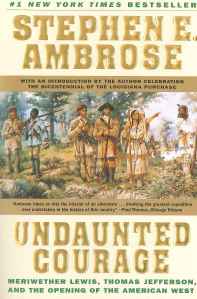 xploration of the untamed wilderness, and you see how resourceful humans can be. It is a direct inspiration for my current D&D campaign, where the characters help settle a new an unknown land.


 ing shared in the Facebook group we created and a big loot list kept up to date and shared. I hope the long term consequence of having rotating players will be that no-one tires of the dungeon style game. As the conversion notes from Brian C. Rideout assumes 4 players, I usually use the number of monsters more or less as written in the original adventure, or wing it, if it is too crazy (e.g. 144 giant rats! – how would you play that Gary G.??! and who would bother??). As they are also more people who needs to share the loot and magic items, that is also kept on the modest side, which I like, and which I think works better for 5ed, as the +1 modifier has a BIG impact at the lower levels.
 mindlands